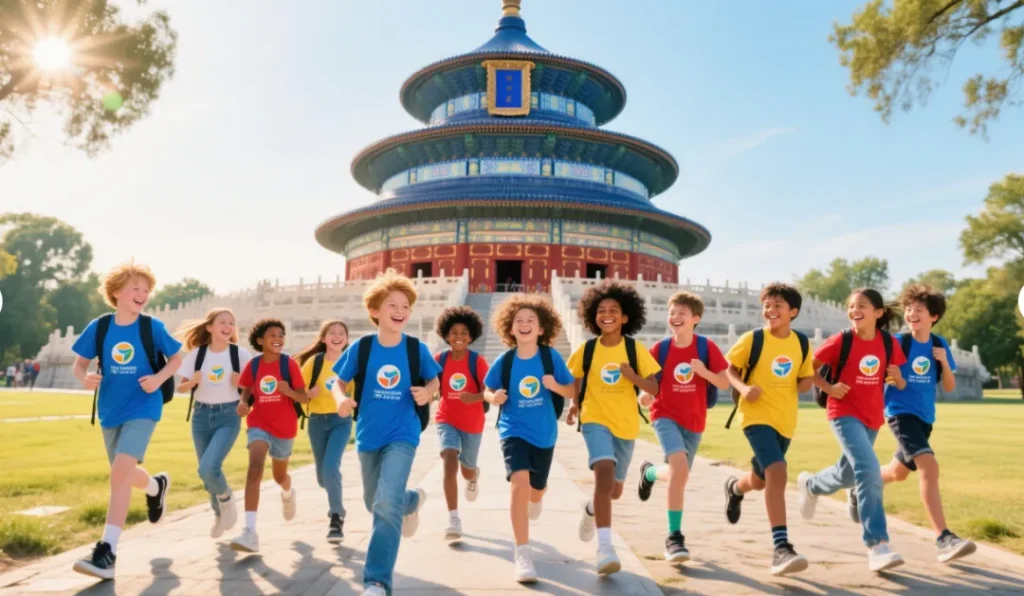
When parents consider sending their child to China for a summer program, one of the first questions they ask is:
“What will my child actually be doing every day?”
This is an important question — because a strong program should be structured, educational, and safe, while still giving students a meaningful cultural experience.
Having gone through this experience myself, I can say that a well-designed China summer program is not just about studying a language — it’s about stepping into a completely new world.
My First Experience in China at 14
I first went to China when I was 14 years old. I traveled to Shanghai, and it was unlike anything I had experienced before.
At that age, everything felt new — the language, the food, the pace of the city, and the way people interacted. I didn’t just want to visit China as a tourist. I wanted to truly immerse myself in a new experience.
That’s why I chose to live with a local host family.
Living with a family changed everything. I wasn’t just observing Chinese culture — I was part of it. I ate meals with them, practiced speaking every day, and learned how daily life actually works in China. It pushed me out of my comfort zone in the best way possible.
That experience shaped how I think about immersion programs today:
students learn best when they are actively engaged, not just visiting.
A Typical Day in a China Summer Program
While programs vary, most high-quality immersion programs follow a structured daily schedule that balances academics, cultural learning, and exploration.
Morning: Chinese Language Classes
Students typically begin their day with focused Chinese lessons.
- Small group classes based on level
- Speaking, listening, reading, and writing practice
- Interactive activities (not just textbooks)
The goal is practical communication — helping students feel confident using Chinese in real situations.
Afternoon: Cultural Activities
Afternoons are where students experience China beyond the classroom.
Activities may include:
- Calligraphy and traditional art
- Chinese cooking classes
- Martial arts or tai chi
- Cultural workshops and performances
These activities help students connect language with real cultural meaning.
Late Afternoon: Exploration & Daily Life
Depending on the program, students may:
- Explore local neighborhoods
- Visit markets or shops
- Practice ordering food in Chinese
- Spend time with classmates or host families
This is where immersion really happens — in everyday interactions.
Evening: Reflection and Community
Evenings often include:
- Group reflection sessions
- Homework or light study
- Time with host families or in dorms
- Social bonding with other students
This balance is important. Students need time to process what they are learning and build friendships.
Weekend Excursions
Most programs include organized trips to:
- Historic sites
- Museums
- Cultural landmarks
- Nearby cities or scenic areas
These trips give students a broader understanding of China’s history and diversity.
What Students Gain From the Experience
A China summer program is not just about language.
Students develop:
Confidence
Navigating a new environment builds independence quickly.
Cultural Awareness
Students begin to understand perspectives beyond their own.
Communication Skills
Even beginners start using Chinese in meaningful ways.
Adaptability
Living in a different culture teaches flexibility and resilience.
Why Immersion Matters
From my own experience in Shanghai, the biggest growth didn’t come from sitting in a classroom — it came from living the experience.
- Eating meals with a host family
- Trying to communicate even when it was difficult
- Adjusting to a completely new environment
That is what makes immersion powerful.
Final Thoughts
A well-structured China summer program combines:
- Academic learning
- Cultural engagement
- Real-world experience
- Strong supervision and support
For many students, it becomes a defining moment — a time when they step outside their comfort zone and discover what they are capable of.
For me, going to China at 14 wasn’t just a trip.
It was the beginning of a deeper connection to the language and culture that has stayed with me ever since.