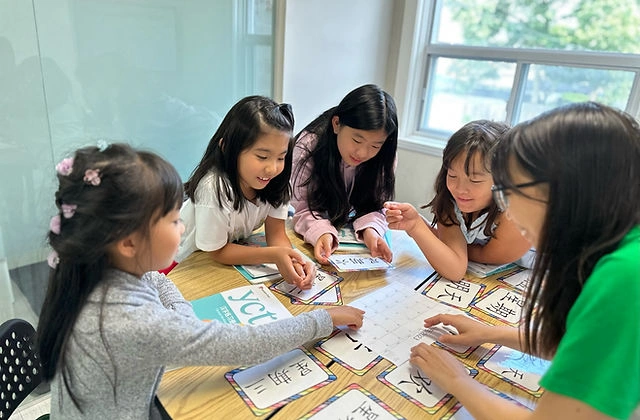
Parents today are thinking beyond academics
They want their children to be confident, adaptable, and capable of understanding the world—not just memorizing facts about it. In a globalized society, success is no longer defined only by grades, but by perspective.
That’s where global awareness comes in.
Global Awareness Is Built Through Experience
Global awareness isn’t something children develop through textbooks alone. It comes from real exposure—being placed in environments where they have to observe, adapt, and engage.
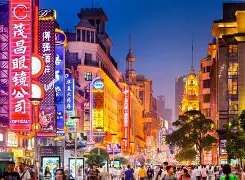
I experienced this firsthand when I went to Shanghai at 14.
It was my first time stepping into a completely different culture. I lived with a host family, navigated daily life in a new environment, and quickly realized that understanding the world requires more than surface-level knowledge.
That experience shaped how I see education—and it’s the foundation of what I believe children need today.
Why Early Exposure Matters
Children are naturally open-minded—but only if we give them the opportunity to be.
When students are exposed to different cultures early, they begin to:
- Ask better questions
- Develop empathy
- Build confidence in unfamiliar situations
- Understand that there isn’t just one “right” way to live
These are not just cultural skills—they are life skills.
From Curiosity to Confidence
One of the biggest shifts we see in globally exposed students is how they approach difference.
Instead of reacting with hesitation or judgment, they become curious.
Instead of avoiding challenges, they engage with them.
This mindset doesn’t happen by accident—it’s developed through intentional experiences that push students slightly outside their comfort zone, while still supporting them.
Learning by Living, Not Just Observing
There’s a fundamental difference between learning about a culture and actually living in it.
When students:
- Share meals with a local family
- Navigate a new city
- Communicate across language barriers
- Participate in daily routines
They move from passive learners to active participants.
That’s where real growth happens.
The Role of Immersive Programs
Structured immersion programs provide a bridge between curiosity and real-world experience.
They give students the opportunity to:
- Experience cultural differences firsthand
- Build independence in a safe, guided environment
- Develop communication skills across cultures
- Gain a deeper understanding of global perspectives
These programs aren’t just trips—they are formative experiences that stay with students long after they return home.

Preparing Children for the Real World
The reality is simple: the next generation will live and work in an interconnected world.
They will collaborate with people from different backgrounds, navigate global challenges, and make decisions that extend beyond their immediate environment.
Raising globally aware children means preparing them for that reality—not just academically, but socially and emotionally.
Final Thought
You don’t need to raise a child who has all the answers.
You need to raise a child who is willing to ask questions, embrace differences, and step into the unknown with confidence.
Because in the end, global awareness isn’t about knowing everything about the world—
It’s about being ready to engage with it.